


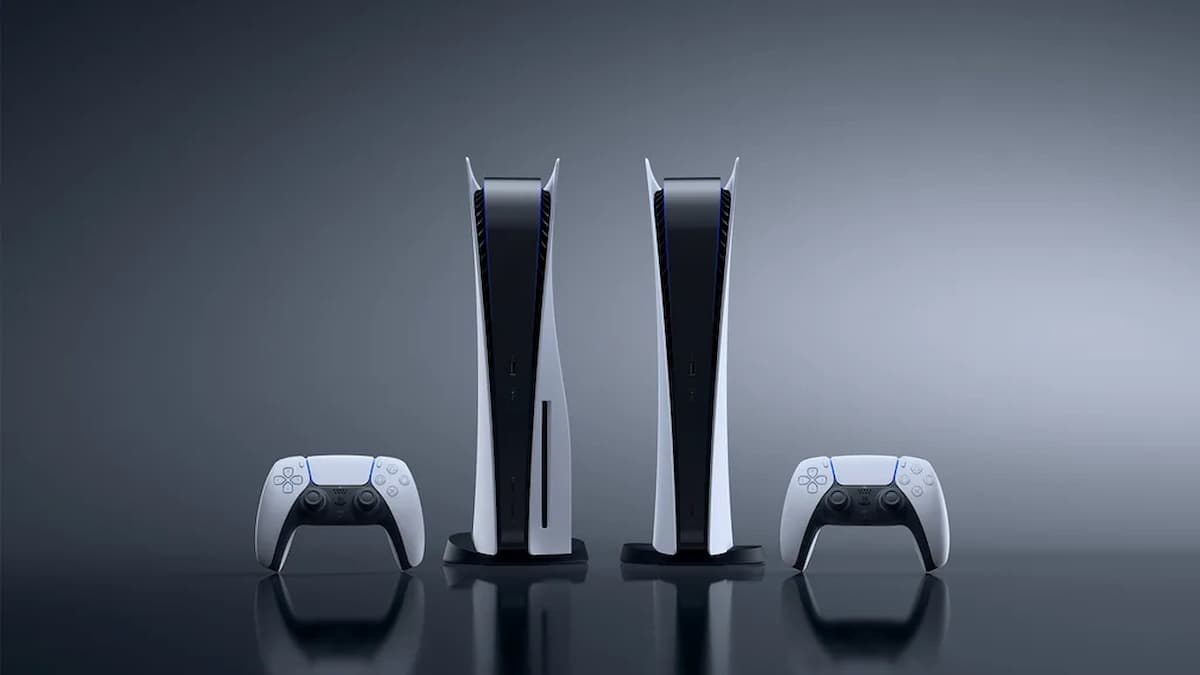
The all-digital future in gaming is being ushered in soon enough, with PlayStation leading the pack. Recently the stated that by 2028 all PlayStation first-party titles will no longer come in the form of physical media, which was met with a lot of negative feedback from the community. Back in June, the company was sued on the claim of unclear wording on the PlayStation Store and finally filed its response to the lawsuit.
Read the Fine Print
The argument in the case centered on PlayStation’s use of the terms “Buy Now” and “Confirm Purchase”. To the casual eye, this would lead many to assume they’re buying a copy of a game they would then own. Instead, this generally means that you are granted a license to access a game that can be taken away by Sony at any point in time.
A new report from Game File highlights Sony’s worrying response and should raise a lot of red flags for consumers if they haven’t been raised already. “As plaintiffs admit, Section 1 of the SPLA likewise explains that ‘the Software is licensed to you, not sold’, the filing reads. “This makes sense. In the digital age, it is not plausible to allege that reasonable consumers believed they were obtaining ‘ownership’ of a digital game.
Sony’s argument basically comes from this idea that digital games do not have a limit to how many are made. So, in theory, Sony is stating that multiple people can buy a digital copy of a game, so no one can actually own it, and if someone did own it, nobody else would be able to have it.
A Digital Footprint
Clearly, there are plenty of problems that need to be worked out when it comes to the impending all-digital future in gaming. The premise of what consumers actually own is a huge sticking point for many, as they rightfully don’t want their hard-earned money to go to waste or disappear on a whim. And the hubris that Sony is exuding, thinking that everyone under the sun understands the very dizzying legal concepts of digital ownership, should cause a lot more worry heading into 2028 and the next generation of consoles.