


The ideas Riftstorm presents are intriguing on paper. A co-op extraction looter shooter which tasks you with facing down endless hordes of supernatural monsters is the type of game I could see myself pouring hours into. The guns and character builds you bring are the deciding factor between being overwhelmed or getting out with the best gear. It’s an interesting take on an ARPG, placed inside a colorful supernatural world. All of those pieces form a fun and competent PVE shooter, but the early access version needs some work, technical and pacing-wise, that left me wanting to wait and see what future updates hold.
Lots of Guns
Confiction Labs
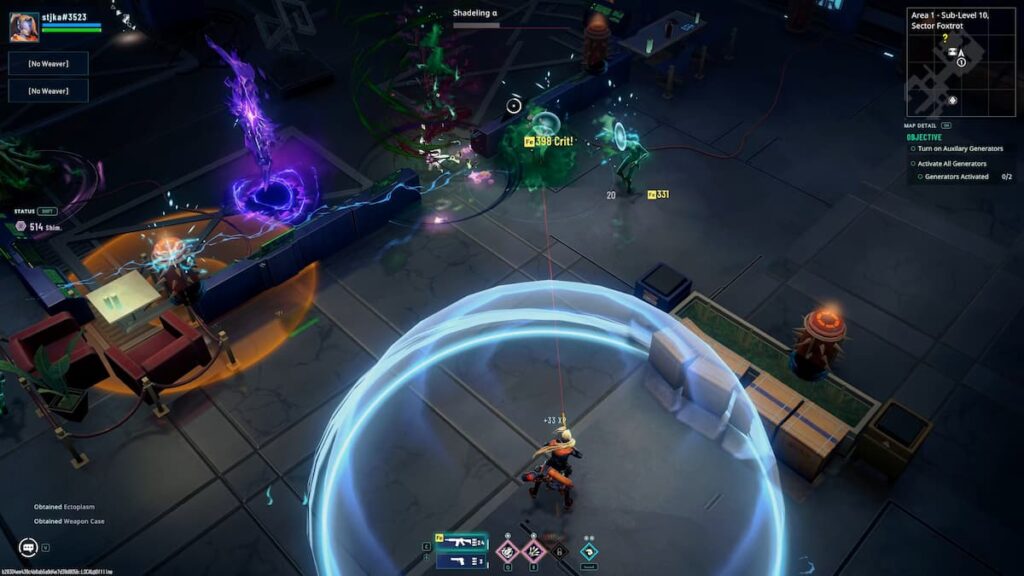
Throughout my time with this top-down co-op shooter, the thought I couldn’t shake was “this is Diablo with a shotgun,” in the most complimentary way. Riftstorm shines brightest when you are mowing down a rushing cluster of enemies, utilizing different weapon types, special abilities, and character builds to decimate the spawn of baddies bearing down on you.
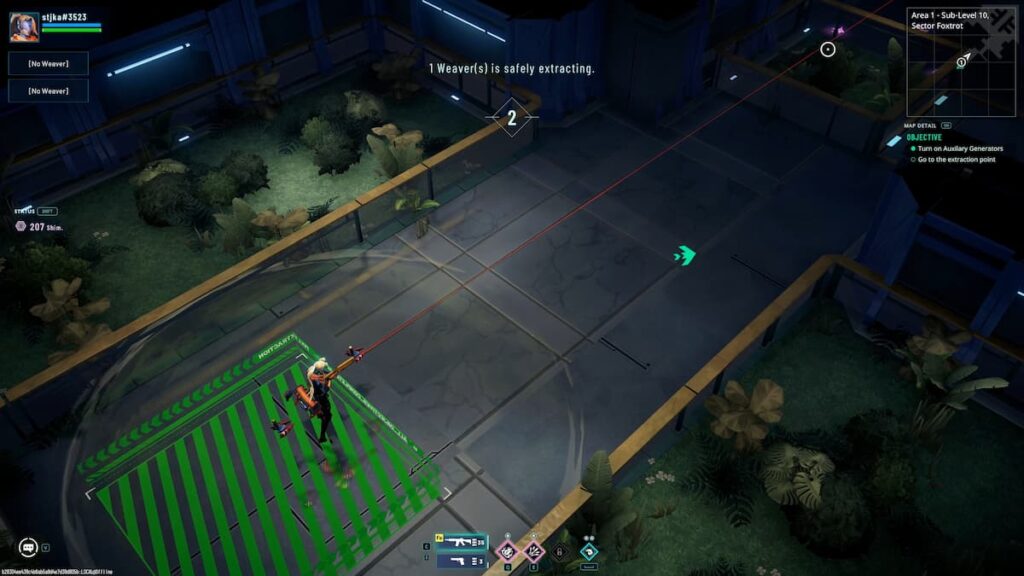
The game presents a variety of Weavers (the unique in-game characters) for use, each with different passive and active skills, leaning towards a certain archetype. Build crafting is a large part of the experience, as weapons collected during successful missions have a gear score and rarity that contribute to raising your level and allowing deeper build crafting that synergize with each character’s skills and abilities to take on more challenging missions. That gameplay loop will be familiar to most ARPG fans, and even in its early stages has enough meat on the bone to encourage players to seek higher-level encounters and experiment with builds to craft the best co-op team possible for greater rewards. Where Riftstorm differentiates itself is through an “extraction-lite” mechanic, wherein if you don’t complete the mission, you lose all the gear you’ve accumulated when you take that fatal kill shot. It’s not a huge issue at lower levels, as I was clearing entire tiers of difficulty solo without fear, but later on forces coherent builds and to be properly leveled up. In its current form, it feels more like a hindrance when trying to collect better loot, instead of the tense feeling of barely making it out they may have been going for.
Laying down the Foundation
Confiction Labs
In addition to the run-and-gun, loot-collecting side of things, Riftstorm also has an evolving narrative and base-building component between runs. The story itself is simple enough; you and potential co-op partners are special operatives tasked with defeating various spooky entities, from ghosts to ghouls and vampires, to stabilize the world. Nothing exceptionally engaging, but a decent enough framework to justify the game’s progression systems. Things such as building up a base of operations, multiple crafting systems, and even new Weavers are unveiled as you complete certain tasks and power up your build. The issue lies in how these systems are doled out over time, as the need to grind between bigger crafted story missions, abilities, and unlocks that felt like essential parts of my kit, nearly killed my motivation to continue. You don’t have the option of choosing another character for at least two hours or so, and then unlocking the rest is an even bigger grind. I’m fine with needing to unlock the ways to micro-manage a perfect character, I only wished it was slightly sped up and allowed me to experiment with what I may like earlier. It being an early access title, my assumption would be these things are tweaked in the future, but for now it was a bit of a sticking point. There were additional early access woes, such as being booted from a story mission multiple times in a row, and some lackluster visuals from time to time, all issues I hope will be smoothed over by full launch.
Final Thoughts
Riftstorm has a lot of potential. The moment-to-moment gameplay is engaging, the level of build variety encourages experimentation, and the co-op experience was enjoyable the few times I had a random teammate join the fight. Unfortunately, issues with this current version of the game, as well as a dreadfully prolonged grind for unlocks, hamper the experience and desire to engage with the kind of experimentation I like to see in a game like this. I would recommend it to those looking for a Diablo-like adventure with friends, but only if you’re prepared to put up with some rough patches along the way.


