


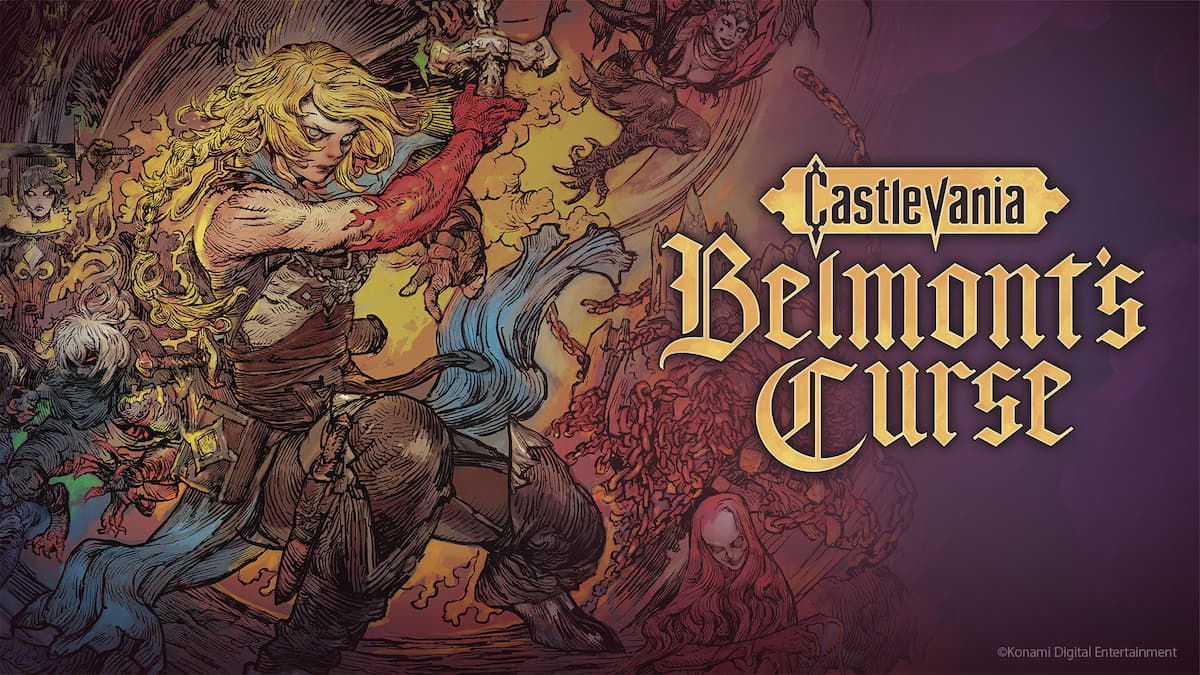
Castlevania: Belmont’s Curse is the newest entry in over a decade for the iconic vampire-slaying franchise that helped start an entire subgenre. As exciting as the revival would be on its own, the developer being tasked with bringing it back would have a tall task ahead of them. In enters Evil Empire, a team initially started up to support and produce DLC for the indie darling Dead Cells, and a team that has been on the rise ever since. Konami’s choice of teaming up with Evil Empire could have been a risky proposition, but instead ended up being a great pick, leading to one of the best metroidvania titles in recent years.
Genre Defining Beginnings
In 2018, Dead Cells released and quickly became an indie favorite, marrying a roguelike structure with metroidvania progression. It’s a game I personally attached myself to, plunging into the atmospheric pixel art world, fighting and losing to larger-than-life bosses, it was one of my first introductions into the genres it represented. The mixture of smooth and impactful combat kept me coming back run after run, with a feeling of momentum and satisfaction from cutting up bad guys that was hard to top. Developer Motion Twin had struck gold, but eventually handed responsibility of Dead Cells’ future development to newly spun-off studio Evil Empire.
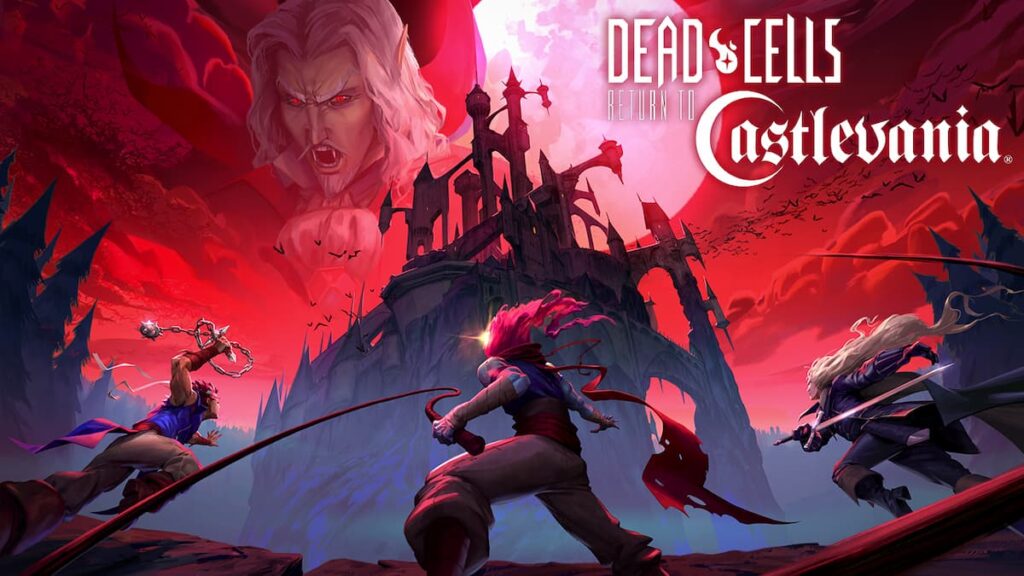
This newly formed studio would continue to support Dead Cells for years, helping create four expansions for the title, most important to the studio’s future, Dead Cells: Return to Castlevania. Under license from Konami, all of the flavor and familiarity of Castlevania was brought into the Dead Cells world, with the expansion ending up as one of the best-reviewed games of 2023. The care and love in the crossover was superbly executed, and seen dripping on every pixel throughout the campaign’s runtime.
Fighting alongside Alucard and Richter Belmont as you journey through Dracula’s castle felt as responsive as the base game, and utilizing familiar weapons from the series to battle textbook beasts from the past was a dream mixture of modern gameplay and old-school nostalgia.
The team at Evil Empire had helped create an unforgettable Metroidvania experience to rival the industry’s best, and when they were attached to create the newest Castlevania sequel in over ten years, I had a feeling they would be the perfect team to spearhead that task.
Challenging Dracula
All of those years supporting Dead Cells, along with collaborating with Konami, led to Evil Empire leading the charge on Castlevania: Belmont’s Curse. The initial announcement had me beyond excited. It was a team that had proven themselves with the franchise, but questions could still be raised. Most notably, Castlevania: Belmont’s Curse not being a roguelike, a departure from the team’s prior work on Dead Cells and 2025’s The Rogue Prince of Persia.
I was confident the new game would have excellent combat, an area of the previous games that was amongst their best features, but would switching from procedural run-based loops to a traditional metroidvania-style progression hold up? Could they still create an engaging story, with mechanics to hold my attention without giving me a random build to chase each time? Those were my biggest worries, and after about ten hours exploring an under siege Paris, I feel the team has once again nailed what they set out to do.
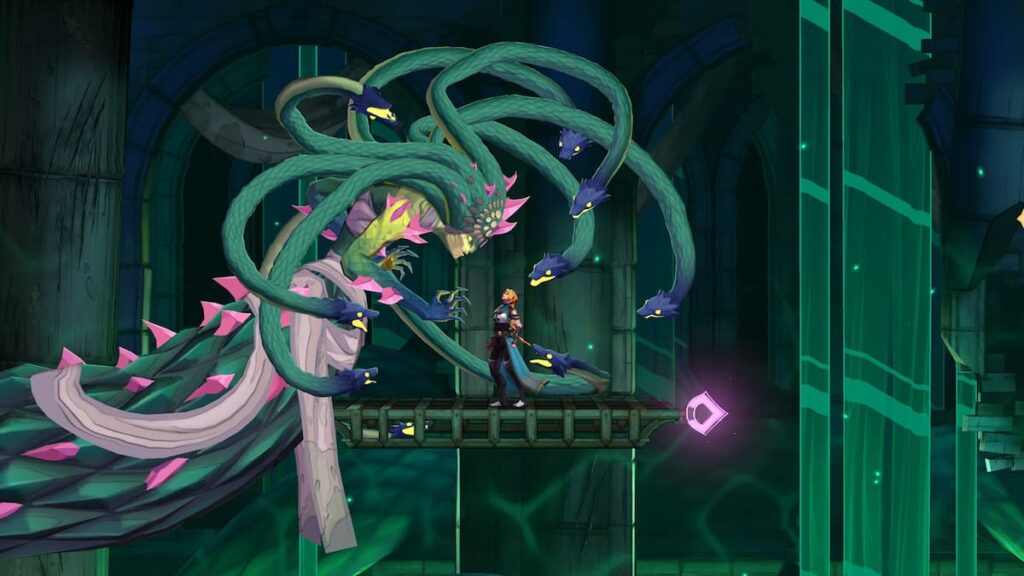
From the moment you take a step into the world, the descent into full metroidvania becomes apparent, with procedural maps replaced with handcrafted distinct areas to slink through. The level design is still filled with mystery and secrets to uncover like Dead Cells, but the purposeful crafting allows for these sections to stick in my mind, slowly building up powers and tools to unlock a new unique section of the game. The way they chose to tackle weapon progression is also new, swapping out random weapons during each roguelike run, with distinguishable arms that level up and gain power during your quest.
Evil Empire took what they had excelled at previously, giving it permanence without losing the unmatched feeling and excitement of the run-based prior games, mastering the transition from roguelike to full Castlevania glory.
It’s the mix of what Evil Empire has done in the past that helped make roguelites as popular as they are, and creating original ideas in preexisting worlds that has led to Castlevania: Belmont’s Curse being one of my favorites of the year.